

Info@impiconservationfund.org | +27 65 150 6425 | Cape Town, South Africa
OUR WORK
“Humans are just one of five million species on the planet. The future of endangered species and the future of humanity are intrinsically linked.”
- Dr Ian Player
RHINO
DEHORNING
We are proud to support ongoing rhino dehorning initiatives throughout our area of operation.
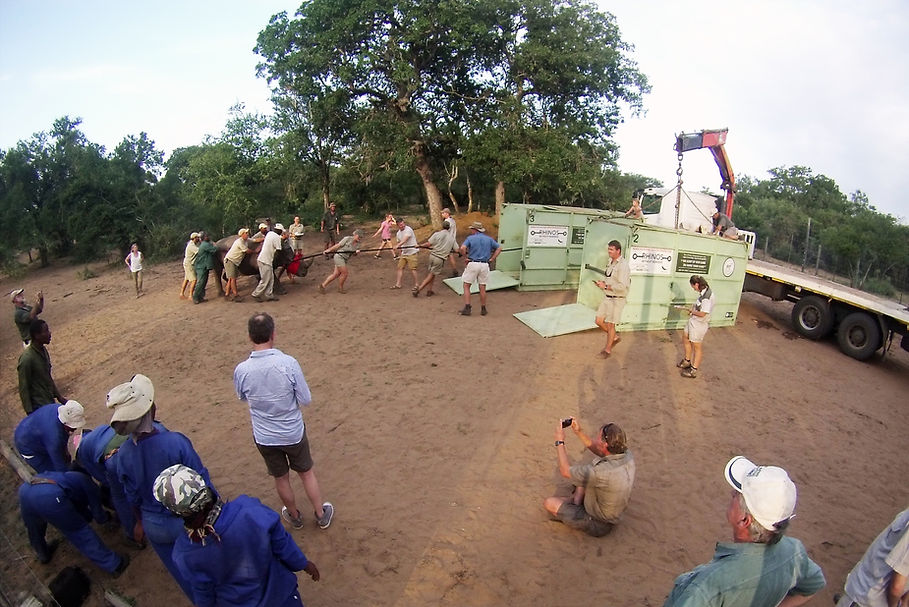
Carried out by trained veterinarians under sedation, dehorning safely removes most of a rhino’s anterior and posterior horns, which are made of keratin and naturally regrows over time. The procedure is repeated every 1–2 years to ensure continued effectiveness.
By removing the primary target sought by poachers, dehorning significantly reduces the animal’s value on the illegal wildlife trade market and helps deter opportunistic poaching. While not a standalone solution, dehorning has been proven to reduce rhino mortality rates when combined with robust anti-poaching measures, intelligence gathering, and community involvement giving these iconic animals a greater chance of longterm survival.

RHINO
ORPHANS
One of the most heart-wrenching realities of poaching is the sight of vulnerable rhino calves left behind after their mothers have been brutally killed for their horns.
Impi Conservation Fund is an incredibly proud partner of the Zululand Rhino Orphanage.
They provide a lifeline and a 2nd chace for these survivors, offering the intensive care, protection, and rehabilitation needed until these calves are strong enough to return to the wild.
We are honored to support their essential work, ensuring that every calf receives the specialized nutrition and veterinary care required to heal and thrive.

EMERGENCY
INTERVENTIONS
Our emergency fund is made available at short notice to support the treatment of injured animals whenever we are called upon.
This vital funding helps veterinarians and field teams respond to human–wildlife conflict, snaring, and, most crucially, active rhino poaching incidents or orphan retrievals giving wounded rhinos and other affected wildlife the best possible chance of survival and recovery.
Maintaining a healthy balance in our emergency fund is vital to ensuring we can respond swiftly and effectively to incidents of poaching and other wildlife injuries.
RANGER SUPPORT & PRIORITY SPECIES MONITORING
When called upon, we step in to assist with the day-to-day expenses of priority species monitoring, field ranger teams and the critical equipment that they rely on.
We are committed to providing these vitally important teams with the critical equipment that they rely on. From fuel expenses and vehicle maintenance to boots, uniforms and ranger essentials, we support the systems that enable frontline teams to protect vulnerable wildlife every day.

COMMUNITY
ENGAGEMENT
People and nature must thrive together.
Alongside our donors & partners, we work closely with local communities to build awareness, provide education, and create opportunities that connect livelihoods to environmental health.
By telling stories of Africa’s wildlife, wild places, and the people who defend them through events and strategic campaigns, we aim to educate and inspire local communities that understand the value of wild spaces and stand behind their protection.
